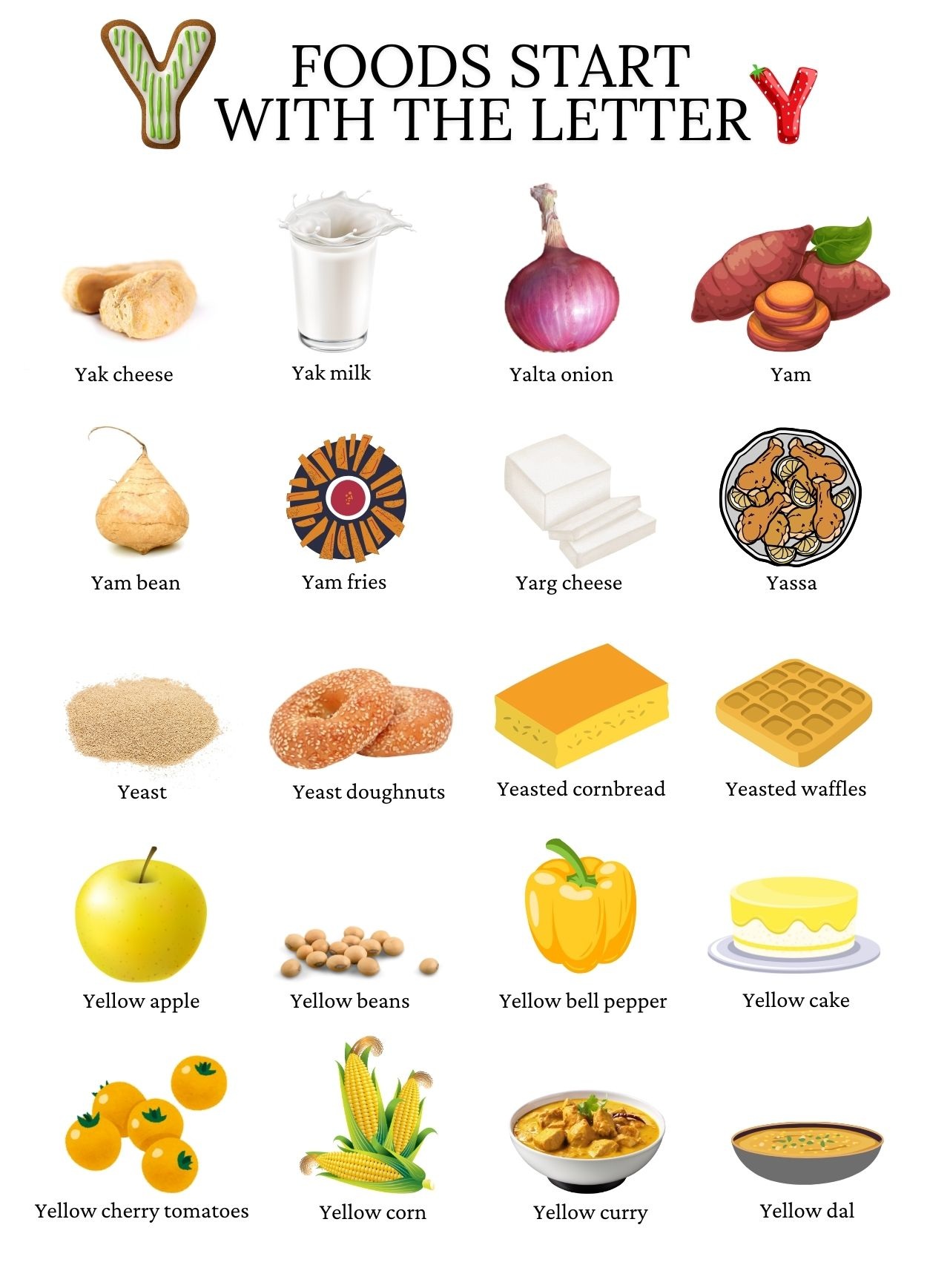
From Yabbies to Yufka: A Global Culinary Y-Food Deep Dive
Embark on a unique gastronomic journey as we peel back the layers of global cuisine, focusing on an often-overlooked yet incredibly diverse segment: foods that start with y. From the pristine waters of Australia to the bustling markets of Asia and the traditional kitchens of Europe, the letter 'Y' introduces us to a surprising array of ingredients, dishes, and culinary traditions that are rich in flavor and cultural significance. Prepare your palate for a deep dive into the world of 'Y' foods, where every discovery promises a delightful 'Yum!' moment.
Far from being limited, the spectrum of 'Y' foods showcases the incredible ingenuity and diverse palates of humanity. We're talking about everything from exotic seafood to comforting flatbreads, intricate desserts, and hearty stews. This article will not only introduce you to these intriguing items but also provide insights into their origins, culinary uses, and tips for incorporating them into your own cooking adventures. It's time to expand your culinary horizons and discover the hidden gems among 80+ global Y-foods.
Unearthing Aquatic Delights: Y-Foods from the Deep
Our global exploration often begins in the water, where some of the most sought-after 'Y' foods reside. These aquatic treasures offer distinct flavors and textures, making them prized ingredients in various cuisines.
- Yabbies: Australia's Freshwater Jewel
Hailing from the rivers and dams of Australia, yabbies are freshwater crustaceans reminiscent of smaller, sweeter lobsters or large shrimp. These delightful creatures are a staple of Australian summertime fun, with "yabbying" being a popular pastime where enthusiasts catch them using simple methods like string and meat. When cooked – typically boiled or grilled – yabbies boast a tender, sweet flesh that's fantastic on its own with a squeeze of lemon or incorporated into more elaborate dishes like risottos or pasta. Their delicate flavor truly shines with minimal seasoning. - Yellowfin Tuna: The Ocean's Lean Protein
A robust and fast-swimming species, yellowfin tuna is a prime catch in subtropical oceans worldwide. Recognizable by its distinctive yellow fins, this medium to large-sized fish offers a firm texture and a mild, clean flavor. It's incredibly popular in Japanese cuisine, where its vibrant red flesh is a star ingredient in sushi and sashimi. However, yellowfin tuna is also versatile enough for searing, grilling, or even canning. When choosing yellowfin, look for sustainably caught options, often indicated by pole-and-line fishing methods, to support healthy ocean ecosystems. Many confuse yellowfin tuna with yellowtail, but while both are popular sushi choices, yellowfin is a true tuna species, whereas yellowtail is a type of amberjack. - Yellowtail Fish (Hamachi): Sushi's Silky Indulgence
Often referred to by its Japanese name, Hamachi, yellowtail fish is a foundational element in high-end sushi and sashimi. It possesses a softer, almost buttery texture compared to yellowfin tuna, with a rich, delicate flavor that is highly prized. Beyond raw preparations, yellowtail is excellent when pan-seared or grilled, allowing its natural oils to caramelize slightly, creating a succulent dish. Its versatility and premium taste make it a favorite for chefs and diners alike, showcasing the nuanced differences even within the realm of "yellow" fish.
From Fields to Ferments: Grains, Dairy, and Fungi Wonders
Moving inland, we uncover a diverse category of 'Y' foods born from agriculture and traditional culinary processes, ranging from ancient grains to fermented dairy and intriguing fungi.
- Yufka: The Versatile Turkish Flatbread
Originating from Turkey, yufka is an incredibly thin, round flatbread made from unleavened dough, lightly seared in a pan. Its delicate, pliable texture makes it exceptionally versatile. Yufka is perhaps best known as the foundation for börek, a savory pastry where layers of yufka are filled with cheese, meat, or vegetables. It can also be used as a wrapper for kebabs, gozleme, or even as a base for modern fusion dishes. In many cultures, yufka serves as a fundamental staple, demonstrating the simplicity and profound utility of traditional bread-making. - Yogurt Cheese (Labneh): A Tangy, Creamy Delight
Yogurt cheese, or labneh as it's known in the Middle East, is a wonderfully simple yet sophisticated dairy product made by straining whey from yogurt. This process results in a thick, creamy, and tangy spread that shares characteristics with both cream cheese and fresh goat cheese. Labneh is incredibly versatile; serve it savory with a drizzle of olive oil, a sprinkle of za'atar, and fresh herbs alongside pita bread, or sweet with honey and fresh fruit for a healthier dessert or breakfast topping. It's surprisingly easy to make at home with just a few simple steps, offering a fresh, personalized touch to your meals. - Yin Er (Snow Fungus): The Gelatinous Gem of Asia
Also known as snow fungus or silver ear mushroom, yin er is a fascinating edible fungus found in temperate regions globally, though most prominent in East Asian cuisine. When dried, it resembles a cloudy, white ear, but once rehydrated and cooked, it transforms into a beautiful, translucent, gelatinous mass with a distinctive crunch. Yin er has a very bland flavor, meaning it readily absorbs the tastes of its accompanying ingredients. It's commonly used in traditional Chinese sweet soups and desserts, often for its unique texture and perceived health benefits in traditional medicine, but can also be found in savory stir-fries. - Yuba (Tofu Skin): The Nutty, Chewy Soy Product
Yuba, or tofu skin, is the delicate film that forms on the surface of boiling soy milk. Skimmed off and dried, it offers a chewy, slightly rubbery texture akin to mozzarella and a subtle, nutty flavor. Highly valued in both Chinese and Japanese culinary traditions, yuba comes in various forms – fresh sheets, dried sticks, or even fried puffs. It's incredibly versatile, used in stir-fries, hot pots, braised dishes, and as wrappers for vegetarian 'meat' preparations, showcasing the ingenuity of soy-based cooking.
Savoring Global Specialties: Iconic Y-Dishes and Desserts
Finally, we delve into a selection of ready-to-eat 'Y' dishes and desserts that represent the culinary creativity of various cultures, from comforting street food to ceremonial sweets.
- Yaka Mein: New Orleans' Fusion Noodle Soup
A beloved classic of New Orleans, Yaka Mein is a unique fusion dish often described as an "Asian soul food" noodle soup. It typically features tender noodles swimming in a rich, savory beef broth, robustly spiced with Creole and Cajun seasonings. The dish is usually topped with a hard-boiled egg, various meats like roast pork or beef, and sometimes shrimp, creating a satisfying and deeply flavorful meal. Yaka Mein is a testament to the cultural melting pot of New Orleans, offering a comforting warmth often enjoyed as a late-night snack or a reputed hangover cure. - Yakgwa: Korean Honey-Ginger Confection
Yakgwa is a beautiful traditional Korean confection, typically reserved for special occasions like holidays and celebrations. These flower-shaped cookies are made from wheat flour, deep-fried to a golden crisp, and then soaked in a thick, fragrant syrup of ginger and honey. The result is a delightfully chewy, sweet, and aromatic treat, often served alongside a cup of traditional tea. Its intricate design and rich flavor make it a beloved cultural icon, representing prosperity and good fortune. - Yakhni: The Aromatic Broth of the East
Yakhni refers to a flavorful, aromatic broth-based soup or stew, prominently featured in South Asian, Central Asian, and Middle Eastern cuisines. While variations exist, common ingredients include tender cuts of meat (often lamb or chicken) slow-cooked with a distinctive blend of spices such as fennel, cardamom, cinnamon, and sometimes yogurt for a creamy texture. The emphasis is on developing a clear, fragrant broth that can be enjoyed on its own or used as a base for biryanis and other rice dishes. Yakhni is celebrated for its comforting, deeply savory flavors and its ability to nourish.
Discovering Your Next Favorite Y-Food
Our journey through the world of foods that start with y reveals a compelling narrative of global culinary diversity. From the sweet simplicity of Australian yabbies to the intricate flavors of Korean yakgwa and the comforting depths of New Orleans' yaka mein, these ingredients and dishes remind us that adventure can always be found on our plates. Each 'Y' food carries a story, a tradition, and a unique flavor profile waiting to be explored.
Whether you're a seasoned chef or an adventurous home cook, we encourage you to step out of your comfort zone and give these 'Y' foods a try. You might discover a new staple, an exciting condiment, or a beloved dish that enriches your culinary repertoire. The world of food is vast and full of surprises, and the letter 'Y' is just one fascinating entry point into this endless exploration.
